Tustin only gets a handful of real storms a year, so a new owner can live in a house through a whole dry summer before learning the chimney leaks. Then the rain comes in January, a damp patch appears near the fireplace, and the question is the same every time: how much is this going to cost? This post gives the ranges we publish, explains what sits behind them in plain words, and covers what to expect from the visit.
Where the water usually gets in
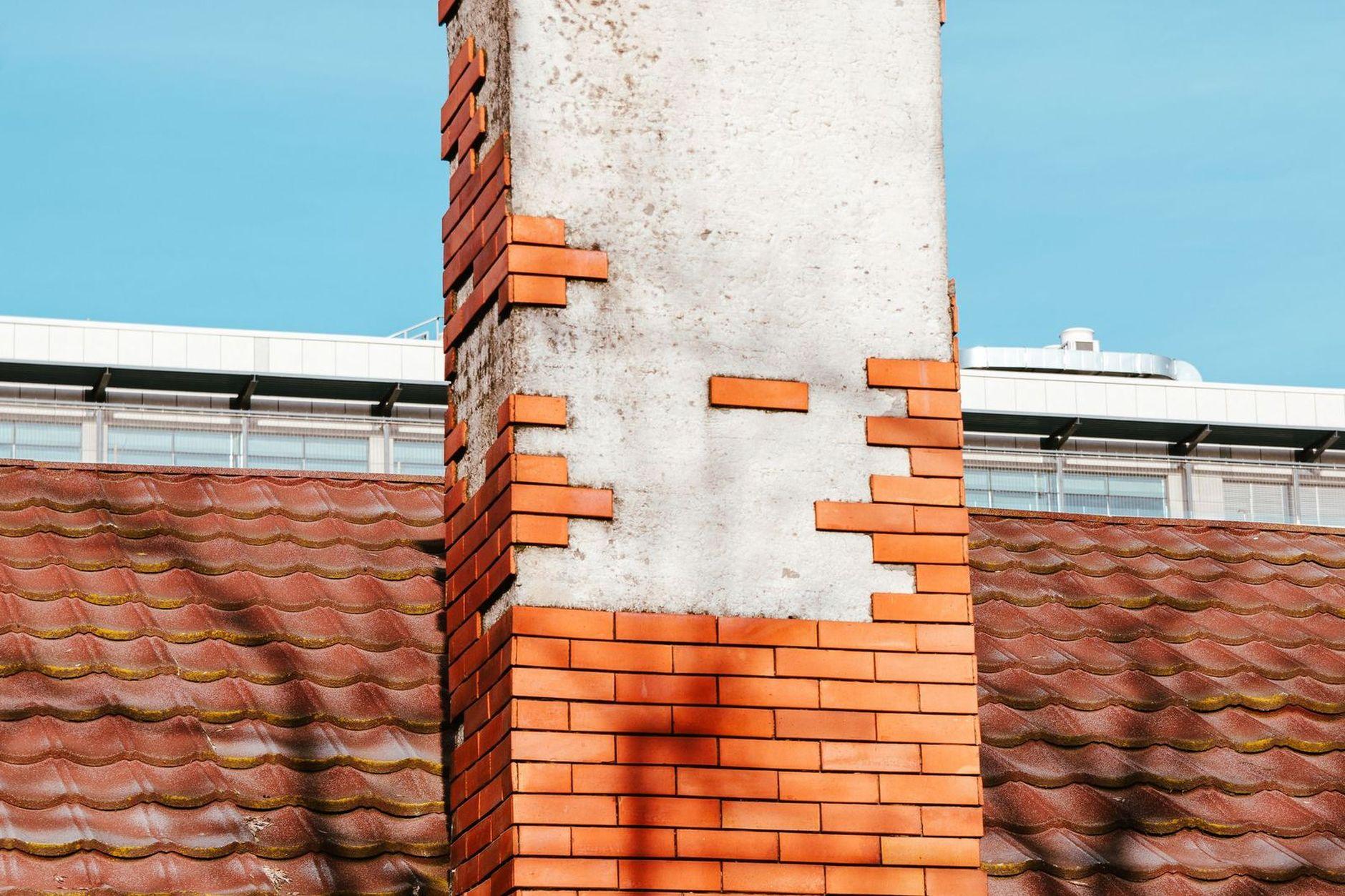
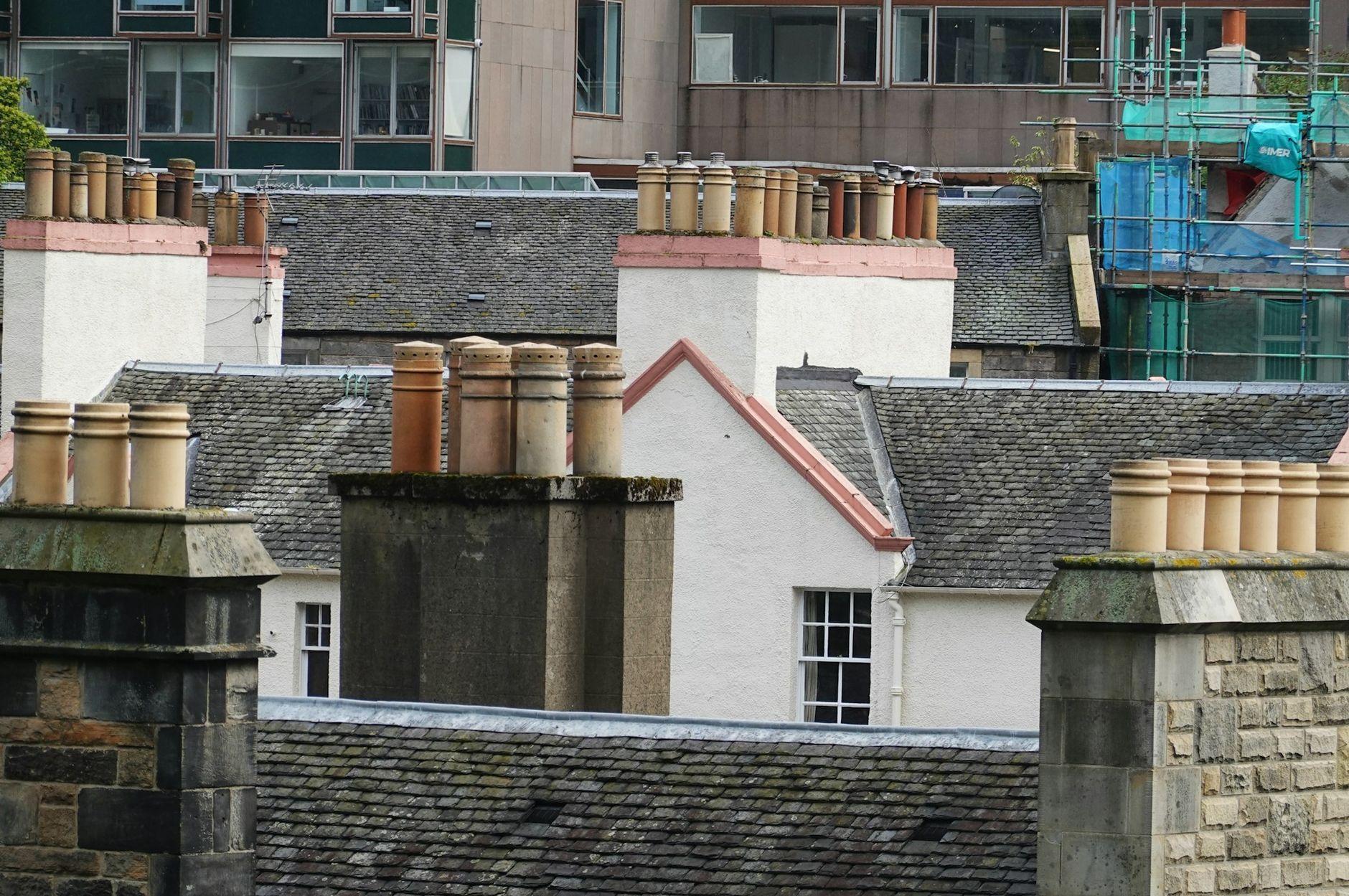
A chimney pokes through the roof, and every place where two materials meet is a place water can find a way in. For a first-time owner, these are the parts to know:
- The cap: the metal hood over the flue opening. Without one, every shower lands inside the flue.
- The crown: the concrete slab on top of the brick. A crack in it lets rain reach the brick underneath.
- The flashing: metal pieces that close the gap between the roof and the chimney's sides. Old sealant dries out and the metal lifts.
- The brick and mortar: brick soaks up water like a sponge if the mortar joints have worn away.
- The cricket: a small sloped ridge built on the roof above a wide chimney, so water is pushed around it rather than pooling against it. Many houses never had one.
Most leaks come from one of these. Some come from two, which is why the visit starts by finding the source rather than sealing whatever looks worst.
The prices we publish
| Repair | Price range |
|---|---|
| Tracing a chimney leak and fixing its source | $540 to $3,250 |
| Building a cricket where none exists | $435 to $980 |
| Cricket built together with all-new flashing | $650 to $1,600 |
| New cap over the flue | quoted after we measure |
These are ranges because chimneys differ. A single flue on a low one-storey roof sits near the bottom. A wide chimney with three flues on a steep two-storey roof sits the biggest.
Repairs outside that table, such as rebuilding a crown, repointing brick or a water repellent coating, do not have a published figure. You get a written quote for those once we have been on the roof.
What moves your number within the range
How many sources there are. One lifted flashing corner is a short job. Flashing plus a cracked crown plus open mortar joints is three jobs.
The size of the chimney. More flues, wider brick, more flashing to replace, more crown to repair.
The roof. Height, pitch and material all affect how the work is done. Tile roofs, common on Tustin homes, need tiles lifted and reset around the chimney, which takes more care than shingles.
Hidden damage. Water that has run for a few winters can rot the wood framing around the chimney inside the attic. If that has happened, it becomes part of the job, and you see it in photos before anything is agreed.
What happens on the visit
The technician starts inside, where the water shows, then goes to the attic to follow the trail, then up to the roof. On the roof they look at each of the parts above and photograph anything that could let water in. If the source is not obvious, they may test one area at a time with a hose to confirm which part is leaking.
You get a written report naming the source or sources, with photos, and a written quote for the repair. Nothing is started on the day unless you agree.
For an owner who has never dealt with a chimney, the most useful thing the visit gives you is the answer to "is this one problem or several?" That decides the cost more than anything else.
Getting a number for your house
To start, tell us in the form where the water shows: ceiling, wall, inside the firebox, and whether it appears in every rain or only the heavy, windy ones. Mention whether the roof is tile or shingle and how many storeys the house has. We call back to arrange the visit.
Why waiting costs more
A small leak through flashing can be stopped before it reaches anything valuable. Left for a few winters, the same water can stain ceilings, soak insulation, rust the damper and crack the flue tiles from the inside. Then a leak repair becomes a leak repair plus drywall plus a new damper. The ranges above are for the chimney work alone.
If the leak shows up in a house you have just bought, check whether your purchase inspection mentioned stains near the chimney. Our buying guide covers what a Level 2 at $380 shows, and the chimney leak repair page gives more detail on the work itself. If the camera finds cracked flue tiles, the up to code repairs page explains the fixes.
What you can expect after the repair
Once the work is done, you get photos of each fixed area. The next storm is the real test. If water still appears, tell us; a second source sometimes only shows once the first is closed, and the report from the first visit makes it quicker to find.
For a dry ceiling next winter, start on the contact page and tell us about the leak in your Tustin home.
Ready to See Your Own Chimney?
A guide explains the general case; a visit explains your house. Carney works from Tustin across Westminster, Huntington Beach, Newport Beach and the rest of Orange County, and every visit ends with a plain written note.